Best Dermatology Seoul Treatments for International Patients


Best Dermatology Seoul Treatments for International Patients

Content regularly reviewed and updated by a board-certified dermatologist to reflect current clinical standards and pricing in Seoul.

Best Dermatology Seoul Treatments for International Patients

Seoul has earned a global reputation as one of the most advanced cities for medical aesthetics — and for good reason. When patients from North America, Europe, Southeast Asia, and the Middle East search for the best dermatology Seoul has to offer, they consistently find a combination of cutting-edge technology, board-certified specialists, and treatment costs that are significantly lower than in their home countries. Whether your goal is skin rejuvenation, acne scar revision, pigmentation correction, or non-surgical lifting, Seoul’s dermatology clinics deliver results that routinely exceed patient expectations.

The city’s Gangnam district alone is home to hundreds of internationally accredited skin clinics, many of which are equipped with devices not yet approved or available elsewhere in the world. Beyond the technology, what truly distinguishes the best dermatology Seoul specialists is their depth of training — Korean dermatologists typically undergo rigorous residency programs with subspecialty exposure to aesthetic lasers, injectables, and regenerative skin medicine. This combination of clinical expertise and hardware access creates an environment where international patients can receive genuinely world-class care.

This comprehensive guide covers everything an English-speaking medical tourist needs to know before booking an appointment at a Seoul dermatology clinic. From understanding which treatments are most popular, to knowing what fair pricing looks like in Korean Won and US Dollars, to navigating communication and aftercare logistics — consider this your authoritative roadmap to getting the most out of your dermatology journey in Korea.

“International patients often arrive with a general idea of what they want but underestimate how personalized Korean dermatology truly is. At a reputable Seoul clinic, your first consultation involves a full skin analysis using multi-spectral imaging, a detailed medical history review, and a frank discussion of realistic outcomes. We do not simply apply the most expensive treatment — we select the most appropriate one. That philosophy is at the heart of what makes dermatology in Seoul so consistently effective for patients from abroad.”

— Board-Certified Dermatologist, Seoul Aesthetic Medicine Specialist (Korean Dermatological Association Member)

Understanding What Makes Seoul a Global Dermatology Destination

To appreciate why so many international visitors seek out the best dermatology Korean specialists offer, it helps to understand the structural factors that have made South Korea a dermatology powerhouse. The country invests heavily in medical education, has strict licensing requirements for aesthetic procedures, and operates a competitive clinic market that continuously drives innovation and value. Patients benefit directly from this ecosystem.

The Role of the Korean Dermatological Association

In South Korea, aesthetic laser procedures, injectables such as Botox and dermal fillers, and energy-based treatments like HIFU (High-Intensity Focused Ultrasound) can only be legally performed by licensed medical doctors — not by nurses or aestheticians, as is permitted in some other countries. The Korean Dermatological Association sets continuing education standards, and its board-certified members are held to a high level of accountability. This regulatory framework is one of the strongest patient protections available, and it is a key reason why medical tourists consistently report high satisfaction rates.

Technology Access and Device Innovation

Seoul clinics frequently become the first adopters of next-generation aesthetic devices. Treatments such as Pico laser for tattoo and pigmentation removal, Sylfirm X radiofrequency microneedling, Juvelook and Rejuran skin booster injections, and high-intensity focused ultrasound (HIFU) platforms like Ulthera and Doublo are widely available at competitive prices. Many of these devices underwent clinical trials in Korea before reaching Western markets, meaning Seoul dermatologists have accumulated significantly more hands-on experience with them.

The Gangnam Clinic Ecosystem

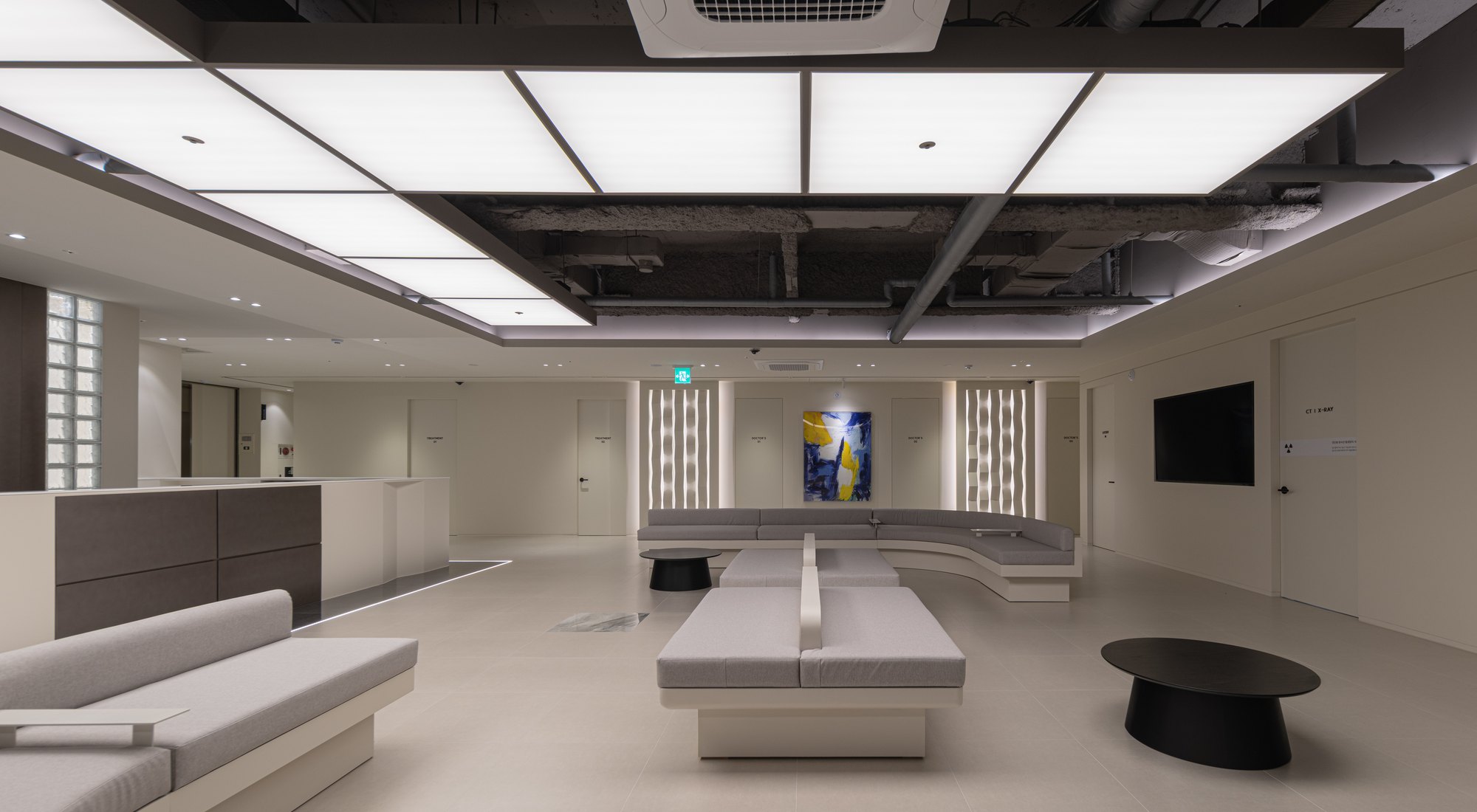
Gangnam-gu and the surrounding Apgujeong and Sinsa-dong neighborhoods form the epicenter of Seoul’s aesthetic dermatology scene. Clinics here often operate multi-floor facilities with dedicated consultation rooms, device suites, and recovery lounges. The density of competition encourages ongoing investment in staff training and equipment upgrades, which ultimately benefits the patient. That said, high-quality best dermatology Seoul clinic options also exist in Hongdae, Myeongdong, and Itaewon — areas with particularly high concentrations of English-speaking staff catering specifically to foreign visitors.

Holistic Treatment Philosophy

Korean dermatology is often described as “layered” — meaning clinicians think in terms of treating multiple skin dimensions simultaneously. Rather than addressing a single concern in isolation, a Seoul specialist might combine a pigmentation laser with a collagen-stimulating booster injection and a prescription-strength home-care regimen, all tailored to your skin type and lifestyle. This holistic approach, informed by Korea’s longstanding cultural investment in skincare, often produces more dramatic and durable results than single-modality treatment plans common elsewhere.

What to Expect: Popular Treatments and Procedure Overviews

Below is a breakdown of the most commonly sought dermatological treatments among international patients visiting Seoul, along with realistic expectations for each.

Picosecond Laser (Pico Laser)

Pico laser technology delivers ultra-short pulses of energy to break down pigmentation, stimulate collagen remodeling, and improve skin tone without the extended downtime of older nanosecond systems. It is particularly effective for melasma, sun spots, post-inflammatory hyperpigmentation (PIH), and tattoo removal. Sessions typically last 20–40 minutes, and most patients require a series of 3–6 treatments spaced several weeks apart. Mild redness and occasional pinpoint crusting are common for 2–5 days post-treatment.

HIFU / Ultherapy (Skin Lifting)

High-Intensity Focused Ultrasound treatments target the SMAS layer beneath the skin — the same layer addressed in surgical facelifts — to stimulate collagen production and achieve measurable lifting of the brow, jaw, neck, and décolletage. Results develop gradually over 2–3 months and can last 12–18 months depending on individual factors. One session is usually sufficient, though some patients opt for combination therapy. Expect mild discomfort during the procedure and occasional temporary swelling or numbness.

Rejuran Healer and Skin Booster Injections

Rejuran (PDRN — polynucleotide) injections are a hallmark Korean dermatology treatment rarely available outside Asia. The treatment involves micro-injecting salmon-derived DNA fragments that activate fibroblast proliferation, improving skin elasticity, hydration, fine lines, and texture at a cellular level. Profhilo, a high-concentration hyaluronic acid biostimulator, is also widely administered in Seoul clinics for deep skin remodeling. Both treatments require minimal downtime, with small injection bumps that resolve within hours.

Sylfirm X Radiofrequency Microneedling

Sylfirm X is a dual-wave radiofrequency microneedling device developed in Korea and currently considered one of the most effective treatments for melasma, rosacea, acne scarring, enlarged pores, and general skin laxity. Unlike traditional RF microneedling, Sylfirm X uses pulsed wave and continuous wave modes, allowing selective targeting of abnormal vessels and melanin while preserving surrounding tissue. Downtime is typically 1–3 days of redness and mild sensitivity.

Botulinum Toxin (Botox / Nabota / Meditoxin)

Korean-manufactured botulinum toxin brands such as Nabota and Meditoxin are widely used alongside internationally recognized brands. These products are FDA-cleared or KFDA-approved and offer equivalent efficacy at more competitive pricing. Common treatment areas include forehead lines, crow’s feet, glabellar frown lines, jaw slimming (masseter), neck bands, and lip flip. Results last approximately 3–5 months and the procedure itself takes under 15 minutes with no downtime.

Acne and Acne Scar Treatment

Seoul dermatologists take a particularly systematic approach to active acne and scarring. Treatment programs typically combine oral or topical prescription medications, chemical peels (TCA cross, salicylic, mandelic), fractional laser resurfacing, and subcision or filler for depressed scars. Combination protocols tailored to scar morphology — whether ice pick, rolling, or boxcar — are a specialty of many Gangnam-area clinics.

Thread Lifts (PDO / PCL)

Polydioxanone (PDO) and polycaprolactone (PCL) thread lifts offer a minimally invasive mechanical lift combined with collagen-stimulating effects. These are often performed in a single session under local anesthesia, with visible results immediate and progressive improvement over several months. Downtime is typically 3–5 days of swelling and bruising, with restrictions on facial massage and strenuous activity.

Pricing and Cost Guide for Seoul Dermatology Treatments

One of the strongest motivators for medical tourism to Seoul is the cost differential. The best dermatology Seoul clinics deliver premium outcomes at prices that are typically 40–70% lower than comparable treatments in the United States, United Kingdom, or Australia. The following ranges are based on currently available market data from reputable clinics in the Gangnam, Apgujeong, and Myeongdong areas.

Laser Treatments

  • Pico Laser (per session): ₩150,000 – ₩350,000 (approx. USD $110 – $260)
  • Fractional CO2 Laser (per session): ₩300,000 – ₩700,000 (approx. USD $220 – $520)
  • Nd:YAG Toning Laser (per session): ₩80,000 – ₩200,000 (approx. USD $60 – $150)
  • Tattoo Removal (per session, palm-sized area): ₩100,000 – ₩400,000 (approx. USD $75 – $300)

Energy-Based Lifting Treatments

  • HIFU / Ultherapy (full face + neck): ₩500,000 – ₩1,500,000 (approx. USD $370 – $1,110)
  • Sylfirm X RF Microneedling (full face): ₩350,000 – ₩700,000 (approx. USD $260 – $520)
  • Thermage FLX (full face): ₩1,200,000 – ₩2,500,000 (approx. USD $890 – $1,850)

Injectable Treatments

  • Botulinum Toxin (per area): ₩80,000 – ₩200,000 (approx. USD $60 – $150)
  • Hyaluronic Acid Dermal Filler (per syringe): ₩300,000 – ₩800,000 (approx. USD $220 – $590)
  • Rejuran Healer (full face): ₩350,000 – ₩700,000 (approx. USD $260 – $520)
  • Profhilo (per session): ₩400,000 – ₩900,000 (approx. USD $296 – $665)
  • Juvelook / Lanluma (PDLLA biostimulator): ₩500,000 – ₩1,200,000 (approx. USD $370 – $890)

Acne and Scar Treatments

  • Chemical Peel (medium depth): ₩80,000 – ₩250,000 (approx. USD $60 – $185)
  • Subcision (per session): ₩150,000 – ₩400,000 (approx. USD $110 – $296)
  • TCA Cross (ice pick scar treatment): ₩100,000 – ₩300,000 (approx. USD $75 – $222)

Thread Lifts

  • PDO Mono/Cog Threads (face): ₩400,000 – ₩1,500,000 (approx. USD $296 – $1,110)
  • PCL Thread Lift (full face): ₩800,000 – ₩2,000,000 (approx. USD $590 – $1,480)

Note: Prices vary by clinic tier, the specific device model used, the treating physician’s seniority, and any bundled package deals. Always request an itemized quote during your consultation.

How to Choose the Right Best Dermatology Seoul Clinic

With hundreds of clinics competing for international patients, selecting the right one requires more than reading a Google review. Here are the practical criteria that experienced medical tourists use to differentiate genuinely excellent clinics from the rest.

Verify Physician Credentials

Confirm that the doctor who will perform your treatment — not just the doctor who performs the consultation — is a licensed dermatologist or plastic surgeon registered with the Korean Medical Association. Ask specifically whether they hold board certification in dermatology. This information should be displayed in the clinic and available upon request.

Assess English Language Capability

A clinic marketing itself to international patients should have at minimum a dedicated English-speaking patient coordinator. Ideally, the treating physician themselves should be able to communicate in English or provide a certified medical interpreter. Miscommunication about treatment parameters or contraindications carries real clinical risk.

Review Device Legitimacy

Ask specifically which brand and model of device will be used. For example, for HIFU, ask whether the device is a genuine Ulthera system (FDA-cleared) or a less validated alternative. Reputable clinics will be transparent about this. Counterfeit or “grey market” devices do exist in the Korean market and are generally used by budget operations rather than reputable clinics.

Look for Transparent Pricing

Trustworthy clinics provide written quotations before treatment begins. Be wary of clinics that are evasive about pricing until you are already in the chair, or that apply aggressive upselling pressure during consultations. A detailed treatment plan in writing, including what will be done, which products will be used, and the total cost, is a sign of a professional establishment.

Check Post-Treatment Support

International patients face a particular challenge: aftercare complications may arise after they return home. Ask whether the clinic provides a remote follow-up service via video call or email consultation, and whether they have a protocol for managing adverse reactions in coordination with your home country physician.

International Patient Considerations for Seoul Dermatology Visits

Planning Around Treatment Downtime

Different treatments carry different recovery timelines, and this should directly influence your itinerary planning. Fractional laser and thread lifts may require 5–7 days of visible recovery, while skin boosters and toning lasers typically allow same-day activity. As a rule, schedule your most intensive treatments at the beginning of your trip so that the recovery window falls within your stay rather than during your flight home.

Contraindications and Pre-Travel Preparation

Before traveling, compile a complete list of your current medications (including supplements, particularly blood thinners and fish oil), any prior skin treatments, known allergies, and relevant medical history. Clinics will ask for this, and having it in writing avoids translation errors. Patients currently taking isotretinoin (Accutane) should generally pause treatment at least 6 months before ablative laser procedures.

Sun Exposure and Skin Preparation

Arriving with sun-damaged or actively tanned skin can complicate laser treatments and increase the risk of post-inflammatory hyperpigmentation. Clinics typically recommend avoiding direct sun exposure for at least 2 weeks before laser procedures and using broad-spectrum SPF50+ daily. Discontinue retinoids at least 5–7 days before certain procedures unless your treating physician advises otherwise.

Travel Insurance and Medical Records

Ensure your travel insurance policy covers medical procedures and potential complications. Request a detailed medical record in English at the end of your treatment — including the specific devices used, injection volumes, product lot numbers, and any prescriptions provided. This documentation is invaluable if you need follow-up care from a dermatologist in your home country.

Navigating Clinic Bookings from Abroad

Many Seoul clinics now offer online pre-consultation forms through their websites or via messaging platforms such as KakaoTalk and WhatsApp. Some will offer virtual consultations before your arrival to help you plan a treatment schedule in advance. Booking these in advance is strongly recommended, especially during peak travel periods when popular clinics fill quickly.

Frequently Asked Questions About Dermatology in Seoul

Is it safe for international patients to receive dermatology treatments in Seoul?

Yes — when treatment is performed by a licensed medical doctor at a registered clinic, South Korea’s regulatory standards are among the highest in the world. The Korean Ministry of Health and Welfare enforces strict oversight of aesthetic medical procedures, and only physicians are legally permitted to perform laser, injection, and energy-based treatments. Researching clinic credentials, as outlined in this guide, significantly reduces any residual risk.

Do Seoul dermatology clinics have English-speaking staff?

Many clinics in Gangnam, Apgujeong, Myeongdong, and Itaewon specifically cater to English-speaking patients and have dedicated international coordinators. However, not all clinics offer this service. Before booking, confirm English-language availability — ideally by emailing the clinic directly and assessing the quality of their response. Some clinics also support communication via Naver Papago or professional interpreters.

How many sessions will I need, and how many can I realistically complete in one trip?

Many popular treatments are designed for single sessions with gradual results (HIFU, Thermage, Profhilo), making them ideal for medical tourists with limited time. Others, such as Pico laser for melasma or acne scar revision, may require 3–6 sessions. For multi-session treatments, some patients schedule concentrated visits every few days during an extended stay, while others return for follow-up trips. Discuss session spacing with your physician to determine what is clinically appropriate.

What is the typical cost saving compared to getting treated in the US or UK?

On average, patients report savings of 40–70% compared to equivalent procedures in the United States, and 35–65% compared to UK pricing, even after accounting for flights and accommodation. Treatments that are particularly cost-effective in Seoul include HIFU lifting, Rejuran injections, Pico laser, and combination scar revision programs. A single trip to Seoul for a multi-treatment package can deliver significant net savings for patients requiring comprehensive skin care.

Are the products and devices used in Seoul clinics the same as in Western countries?

Many devices are identical — brands such as Ulthera, Thermage, and Fraxel are used globally. Some injectable products, such as Korean-brand botulinum toxins (Nabota, Meditoxin) and PDRN-based skin boosters (Rejuran), are KFDA-approved and widely used in Korea but may have different regulatory status in other countries. This does not affect their safety or efficacy as used within Korea, but it is worth noting for patients who may want to continue treatment at home.

Can I combine a dermatology visit with other medical or aesthetic procedures on the same trip?

Absolutely. Seoul is uniquely positioned as a comprehensive medical tourism destination where patients routinely combine dermatology, plastic surgery consultations, dentistry, ophthalmology, and health screening within a single trip. However, coordinate with each treating physician to ensure procedures do not interfere with one another — for example, certain injectables should be spaced from laser treatments, and surgical recovery may preclude same-week skin procedures.

What should I do if I experience a complication after returning home?

First, contact the Seoul clinic that performed your treatment — many reputable clinics offer remote consultation support for international patients. Document the issue with clear photographs and share them digitally with your treating physician. Simultaneously, consult a licensed dermatologist in your home country and provide them with the detailed treatment record you received in Seoul. Most post-procedural concerns such as prolonged redness, uneven results, or hyperpigmentation are manageable and resolve with appropriate guidance.

Related Resources for International Dermatology Patients in Seoul

Navigating Seoul’s dermatology landscape is much easier with reliable reference points. The resources below have been curated for English-speaking medical tourists seeking trustworthy clinical information, clinic reviews, and treatment-specific guidance.

  • For a clinically focused overview of Seoul skin care facilities and specialist profiles, Seoul Dermatology Center provides detailed information on treatment categories and physician credentials relevant to visiting patients.
  • Unbiased patient-sourced assessments of clinics throughout Korea can be found at Korean Clinic Review, which aggregates real experiences from international visitors across a range of dermatological procedures.
  • Seoul Medical Hub offers a broader view of Korea’s medical tourism infrastructure, including hospital networks, coordination services, and multi-specialty treatment planning for visiting patients.
  • Patients planning a comprehensive aesthetic medicine itinerary will find practical logistical guidance at Best Medical Tour Korea, covering everything from clinic vetting to accommodation near major treatment districts.
  • Detailed comparisons of specific Seoul clinics, including treatment pricing breakdowns and staff language capabilities, are available through Seoul Dermatology Review, a resource particularly helpful for first-time visitors.
  • For a country-wide directory of accredited skin care providers beyond the Gangnam corridor, Korea Dermatology Clinics maps treatment options across multiple cities and districts with English-language summaries.
  • Visitors seeking culturally tailored information about Korean dermatology approaches and local skincare philosophy will appreciate the content at Seoul Dermatology Korea, which bridges clinical and cultural perspectives on skin health.
  • Those specifically visiting the Gangnam district can use Gangnam Derm Clinic as a neighborhood-specific guide to the most reputable aesthetic dermatology providers in that area.
  • English Speaking Clinic Seoul maintains a curated list of clinics with verified English-language consultation capabilities — an invaluable resource for patients concerned about communication barriers.
  • Foreign patients who want community-sourced insights specific to their demographic can explore Skin Clinic Seoul Foreigner, which compiles experiences and recommendations from expats and tourists of varying skin tones and backgrounds.
  • For patients specifically interested in PDRN and hyaluronic acid biostimulator therapies, Profhilo Korea provides treatment-specific guidance including clinical protocols, pricing ranges, and before-and-after outcome information.
  • Patients exploring non-invasive radiofrequency lifting options will find comprehensive device comparisons and clinic recommendations at Thermage Clinic Korea, a resource dedicated to this treatment category.
  • For HIFU-based lifting treatments specifically, Ultherapy Clinic Korea offers detailed information on device variants, energy levels, treatment protocols, and realistic outcome expectations from Seoul-based practitioners.


Medical Information Disclaimer: The content presented on this page is intended for general informational purposes and does not constitute personalized medical advice, diagnosis, or a recommendation to undergo any specific treatment. Individual outcomes vary based on skin type, medical history, the specific clinic and physician involved, and other clinical variables. Pricing figures are approximate market ranges and may differ based on clinic, treatment complexity, and current exchange rates. Always consult a licensed medical professional in person before undertaking any dermatological procedure. The inclusion of external links in the Related Resources section represents editorial curation for reader convenience and does not imply endorsement, affiliation, or financial relationship with those sites.

Written by the TreatmentInKorea Editorial Team

Our medical content is developed in collaboration with board-certified Korean dermatologists and reviewed by specialists with active clinical experience in Seoul’s aesthetic medicine sector. All treatment descriptions, pricing data, and clinical recommendations are vetted for accuracy and updated on a rolling basis to reflect current practice standards. Our editorial policy prohibits sponsored clinical recommendations — all content reflects independent editorial judgment.