Dermatologist Seoul: Treatment Options Overview


Dermatologist Seoul: Treatment Options Overview

Last Reviewed: Regularly updated to reflect current clinical standards and pricing in Seoul’s dermatology sector.

Dermatologist Seoul: Treatment Options Overview

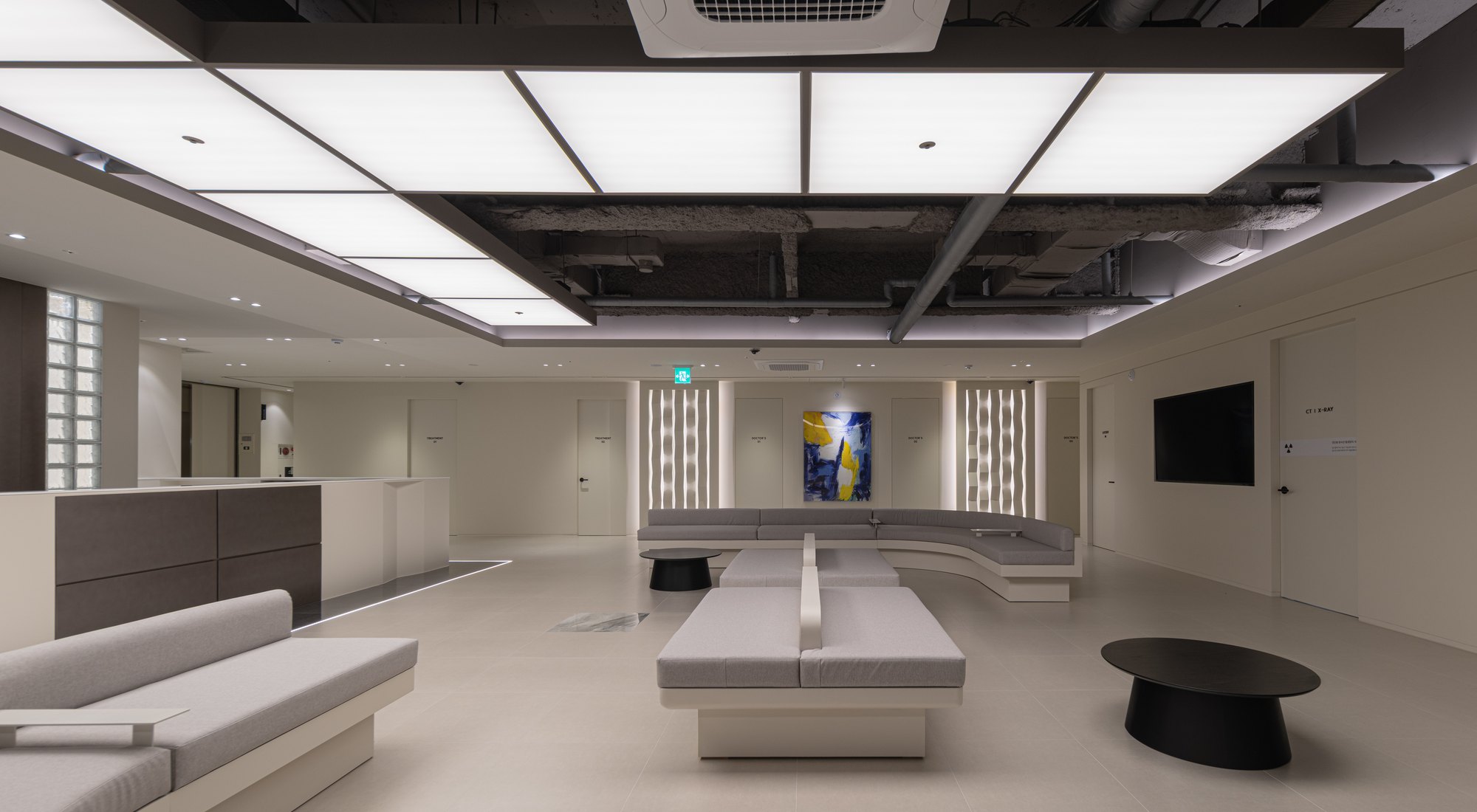
Choosing a dermatologist Seoul has become one of the most searched decisions among international patients traveling to South Korea for skin care. Seoul’s dermatology landscape is recognized globally for combining advanced medical technology with highly trained specialists, making it a leading destination for everything from acne management and pigmentation correction to cutting-edge non-surgical anti-aging procedures. Whether you are exploring a single targeted treatment or planning a comprehensive skin transformation, the breadth of options available through a qualified dermatologist Seoul clinic is genuinely unmatched.

South Korea’s medical tourism infrastructure is robust, and dermatology sits at its core. Dermatologist Korean specialists complete rigorous board certification through the Korean Dermatological Association, and many hold dual credentials or international fellowship training. Clinics in districts such as Gangnam, Apgujeong, and Myeongdong are equipped with devices that are sometimes unavailable elsewhere, including high-intensity focused ultrasound (HIFU) platforms, picosecond lasers, and proprietary combination protocols developed in-house by research-active physicians. For a medical tourist, this means access to innovation alongside clinical oversight — a pairing that is difficult to replicate in many other markets.

This guide is written specifically for English-speaking visitors who want a transparent, clinically grounded overview of what seeking care from a dermatologist Seoul specialist actually involves. From understanding the types of treatments on offer, to interpreting pricing in both Korean Won (KRW) and US Dollars (USD), to navigating language and logistical considerations, everything you need to make a confident, informed decision is covered below.

“International patients frequently arrive with a preconceived list of treatments they’ve seen on social media, but a thorough consultation always reveals that their actual skin concerns — whether barrier dysfunction, post-inflammatory hyperpigmentation, or photoaging — require a more nuanced, layered approach. The strength of Seoul’s dermatology ecosystem is that we have the devices, the formulations, and the clinical depth to address those layers simultaneously, rather than treating one symptom at a time.”

— Board-Certified Korean Dermatologist, Seoul (name withheld per clinic privacy policy)

Understanding Dermatologist Seoul: Specializations and Clinical Scope

Seoul’s dermatology sector is not a monolithic entity. Clinics range from hospital-based departments within major university medical centers to boutique private practices focused on a narrow set of aesthetic concerns. Understanding this spectrum helps you match your needs to the right type of facility.

Medical Dermatology vs. Aesthetic Dermatology

A dermatologist Seoul clinic may specialize primarily in medical dermatology — treating conditions such as psoriasis, eczema, rosacea, seborrheic dermatitis, and skin cancer — or in aesthetic dermatology, which focuses on cosmetic improvement through lasers, injectables, and regenerative treatments. Many clinics in the Gangnam corridor offer both under one roof, allowing physicians to address underlying medical skin conditions before layering aesthetic procedures on top. This integrated model is considered best practice and is one reason Seoul has developed such a strong international reputation.

Common Treatment Categories

Dermatologist Seoul specialists currently offer a wide array of treatment categories. Understanding these broadly will help you prepare for your consultation:

  • Laser Treatments: Fractional CO₂, Nd:YAG, picosecond, and pulsed-dye lasers are used for pigmentation, scarring, vascular lesions, skin resurfacing, and tattoo removal.
  • Injectable Treatments: Botulinum toxin (Botox/Dysport/Xeomin), hyaluronic acid fillers, Profhilo, polynucleotide (PDRN) injections, and skin boosters such as Rejuran Healer.
  • Energy-Based Skin Tightening: HIFU (Ultherapy and Korean-equivalent platforms), radiofrequency microneedling (Thermage, Morpheus8, Sylfirm X), and monopolar or bipolar RF devices.
  • Chemical Peels and Resurfacing: TCA, glycolic acid, salicylic acid, and proprietary blend peels tailored for Korean skin phototypes and the specific concerns common in Asian patients.
  • Acne and Scarring Management: Combination protocols involving topical prescriptions, oral medications, LED phototherapy, laser resurfacing, and subcision.
  • Pigmentation and Melasma Treatment: A nuanced area where Korean dermatologist specialists have published extensively; protocols often combine low-fluence Q-switched lasers with topical depigmenting agents and strict sun protection counseling.
  • Skin Cancer Screening and Surgery: Dermoscopy-guided mole checks, Mohs micrographic surgery, and excisional procedures performed by board-certified dermatologic surgeons.

Board Certification and Training Standards

All practicing dermatologist Korean physicians must complete medical school (six years), a one-year internship, and a four-year dermatology residency before sitting for board certification examinations administered by the Korean Dermatological Association. Sub-specialty fellowship training in areas such as dermatopathology, laser surgery, or cosmetic dermatology is pursued by many physicians at major academic centers. When evaluating a dermatologist Seoul clinic, verifying the lead physician’s board certification status is a simple but essential step.

What to Expect: Consultation to Completion

Understanding the patient journey from initial inquiry to post-treatment follow-up reduces anxiety and improves outcomes. Here is a step-by-step overview of what typically unfolds when you engage with a dermatologist Seoul specialist as an international patient.

Pre-Visit Consultation and Skin Analysis

Most reputable Seoul dermatology clinics now offer pre-visit consultations via video call or detailed intake forms available in English, Japanese, and Chinese. During this phase, clinicians gather information about your skin type, medical history, current medications, known allergies, and aesthetic goals. Many clinics use AI-assisted skin analysis tools (such as VISIA or proprietary systems) that photograph and map your skin’s texture, pores, UV damage, and pigmentation before any treatment begins. This objective baseline serves as a benchmark against which post-treatment results are measured.

The In-Person Consultation

Upon arrival, patients typically meet first with a patient coordinator who handles intake paperwork and language support before being seen by the dermatologist. The in-person consultation with the physician usually lasts 15 to 30 minutes and covers a physical examination of the skin, discussion of treatment options, and review of realistic outcomes. Ethical clinics will not pressure patients into purchasing packages during this initial meeting. Red flags include consultations that last under five minutes or in which the physician is replaced entirely by a nurse or coordinator.

Treatment Day Protocols

On treatment day, most laser and energy-based procedures are preceded by topical anesthetic cream application, which requires a waiting period of 20 to 45 minutes. Injectable treatments may include dental-grade nerve blocks for more sensitive areas. The procedure itself varies widely in duration — a single-pass fractional laser session may take 20 minutes, while a full-face HIFU treatment can take 60 to 90 minutes. Most aesthetic procedures performed at a dermatologist Seoul clinic are outpatient, with patients returning to their accommodations the same day.

Aftercare and Follow-Up

Post-treatment aftercare is taken seriously in Seoul’s dermatology sector. Patients typically receive written aftercare instructions in English, a starter kit of medical-grade barrier creams and SPF products, and a scheduled follow-up (either in-person or via teleconsultation for those who have already left Korea). Many clinics offer complimentary LED phototherapy sessions in the days following laser treatments to accelerate healing and reduce downtime. Clear communication about realistic healing timelines — including expected redness, peeling, or swelling — is a hallmark of quality care.

Pricing and Cost Guide: Dermatologist Seoul Treatments

Pricing at a dermatologist Seoul clinic varies based on the treatment type, the physician’s seniority, clinic location, device brand, and whether the procedure is performed by a dermatologist or a supervised nurse. The following ranges are based on current market data and are intended as general guidance. Always obtain a written, itemized quote during your consultation before committing to any treatment.

Laser Treatments

  • Picosecond Laser (full face, pigmentation): ₩200,000 – ₩500,000 per session (~USD 150 – 375)
  • Fractional CO₂ Resurfacing (full face): ₩300,000 – ₩800,000 per session (~USD 225 – 600)
  • Nd:YAG Toning Laser (per session): ₩80,000 – ₩200,000 (~USD 60 – 150)
  • Pulsed-Dye Laser (vascular lesions, per session): ₩150,000 – ₩400,000 (~USD 110 – 300)
  • Tattoo Removal (per session, varies by size): ₩100,000 – ₩600,000 (~USD 75 – 450)

Injectable and Regenerative Treatments

  • Botulinum Toxin (per area, e.g., forehead or jaw): ₩100,000 – ₩300,000 (~USD 75 – 225)
  • Hyaluronic Acid Filler (per syringe): ₩300,000 – ₩700,000 (~USD 225 – 525)
  • Rejuran Healer / PDRN (full face): ₩300,000 – ₩600,000 (~USD 225 – 450)
  • Profhilo (two-session protocol, per session): ₩400,000 – ₩900,000 (~USD 300 – 675)
  • Skin Booster (Juvederm Volite or equivalent): ₩350,000 – ₩750,000 (~USD 260 – 560)

Energy-Based Tightening Devices

  • HIFU / Ultherapy (full face and neck): ₩500,000 – ₩1,500,000 (~USD 375 – 1,125)
  • Thermage FLX (full face): ₩800,000 – ₩2,000,000 (~USD 600 – 1,500)
  • Radiofrequency Microneedling (Morpheus8 / Sylfirm X, full face): ₩400,000 – ₩900,000 (~USD 300 – 675)

Medical Dermatology Consultations

  • Initial Consultation (dermatologist, no procedures): ₩30,000 – ₩80,000 (~USD 22 – 60)
  • Dermoscopy / Mole Mapping (full body): ₩80,000 – ₩200,000 (~USD 60 – 150)
  • Prescription Topical or Oral Medications: Variable; generally significantly lower than Western pharmacy pricing

Note: Many clinics offer package pricing that bundles multiple sessions at a 15–30% discount. USD equivalents are calculated at an approximate exchange rate and will fluctuate. Always confirm current exchange rates at the time of your visit.

How to Choose the Right Dermatologist Seoul Clinic

With hundreds of dermatology clinics operating across Seoul, the selection process can feel overwhelming for a first-time medical tourist. Applying a structured set of criteria will narrow the field quickly and protect your safety.

Verify Physician Credentials

Confirm that the physician you will see is a board-certified dermatologist — not a physician from another specialty performing aesthetic treatments. In Korea, this is a meaningful distinction. The Korean Dermatological Association maintains a public directory of certified members. Look for the credentials “피부과 전문의” (Dermatology Specialist) displayed in the clinic and on the physician’s profile.

Assess English-Language Accessibility

Quality of English communication varies significantly across dermatologist Seoul clinics. The best international-facing clinics employ dedicated bilingual coordinators, provide written materials in English, and have physicians who can communicate clinical nuances accurately. A clinic that communicates clearly in English before your arrival — through email, WhatsApp, or video consultation — is likely to communicate well during your visit.

Evaluate Device Transparency

Ask specifically which device will be used for your procedure, the model and generation of that device, and the settings typically applied for your skin type. Legitimate dermatologist Seoul specialists welcome these questions. Evasive answers or an inability to name the device brand and model may suggest the use of older or gray-market equipment.

Review Before-and-After Documentation

Reputable clinics maintain genuine patient photography archives. When reviewing before-and-after images, look for consistent lighting conditions, similar camera angles, and realistic improvement timelines disclosed alongside each case. Stock or heavily filtered images are a warning sign.

Understand the Refund and Dispute Policy

Before purchasing any package, obtain the clinic’s written policy on refunds for unused sessions, adverse event management, and dispute resolution. South Korea’s consumer protection laws offer certain rights to medical service recipients, but understanding the clinic’s internal policy before payment protects you further.

International Patient Considerations

Visiting a dermatologist Seoul clinic as an international patient involves logistical, medical, and legal considerations that differ from those facing domestic patients. Being prepared in advance ensures a smoother experience and better clinical outcomes.

Medical History Documentation

Bring a summary of your medical history in English, including current medications, known drug allergies, previous cosmetic procedures (especially injectable treatments in the past 12 months), and any diagnosed skin conditions. Informing your Seoul dermatologist about prior filler placements is particularly important, as certain laser and ultrasound treatments can interact with existing hyaluronic acid filler volumes.

Travel Timing and Treatment Recovery

Plan your treatment schedule with recovery time in mind. Ablative laser procedures, radiofrequency microneedling, and certain chemical peels require a healing period during which sun exposure, swimming, and strenuous activity should be avoided. Scheduling aggressive treatments in the first few days of a short trip is inadvisable. A general framework: non-ablative laser toning and injectable treatments carry minimal downtime (24–48 hours of mild redness), while fractional ablative lasers and HIFU may require 3–7 days before social presentability returns.

Insurance and Medical Records

Most travel insurance policies do not cover elective aesthetic dermatology procedures. Medical dermatology consultations (for a diagnosed condition) may qualify for partial reimbursement under some international health insurance plans — check your policy before travel. Request a full medical record and treatment summary in English at the conclusion of your visit; this is important for continuity of care with your home physician.

Language and Cultural Context

Korean dermatology clinical standards, particularly in the aesthetic space, have developed with an awareness of East Asian skin phototypes (Fitzpatrick types III–V) that are often underrepresented in Western clinical literature. Treatments developed and refined in Seoul — such as low-fluence Nd:YAG toning for melasma or Rejuran Healer for skin quality improvement — may not yet be widely available or understood in your home country. Your dermatologist Seoul specialist will approach your skin concerns through this evidence base, which may differ from protocols recommended by your home physician. This is not a cause for concern; it is a reflection of regionally relevant clinical expertise.

Frequently Asked Questions

How do I find a reputable dermatologist Seoul clinic that speaks English?

Start by researching clinics that explicitly advertise international patient services and English-language support. Look for clinics with multilingual websites, English-language patient testimonials, and a dedicated international coordinator. Requesting a pre-visit video consultation in English is a quick way to assess communication quality before committing. Several independent review platforms aggregate patient feedback from foreign visitors, which can supplement your research. Confirm that the physician — not only the coordinator — is able to communicate directly in English during the consultation.

Is it safe to receive dermatology treatments in Seoul as a tourist?

Yes, provided you select a board-certified dermatologist Seoul clinic and disclose your full medical history. South Korea’s healthcare regulatory framework is well-developed, and dermatology clinics are subject to oversight by the Ministry of Health and Welfare. The primary risks arise from selecting uncredentialed providers, receiving treatments that are contraindicated for your skin type or health history, or undergoing procedures without adequate consultation. Choosing a physician-led clinic — rather than a medical spa staffed primarily by non-physician practitioners — significantly reduces risk.

What is the typical cost of a laser treatment at a dermatologist Seoul specialist clinic?

Costs vary by treatment type, device, and clinic tier. As a general benchmark, a single session of non-ablative laser toning ranges from approximately ₩80,000 to ₩200,000 (USD 60–150), while more intensive fractional resurfacing sessions range from ₩300,000 to ₩800,000 (USD 225–600). Energy-based tightening procedures such as HIFU and Thermage represent the higher end of the pricing spectrum, ranging from ₩500,000 to ₩2,000,000 (USD 375–1,500) depending on the device and treatment area. Always request an itemized quotation in writing.

Do I need to see a dermatologist Korean specialist before scheduling treatment, or can I book directly?

A physician consultation before treatment is both standard practice and medically important. Reputable dermatologist Seoul clinics will not administer laser, injectable, or energy-based treatments without a preliminary clinical assessment, even if brief. This consultation determines your suitability for a given procedure, identifies contraindications, and establishes a personalized treatment plan. Clinics that allow booking of procedures without any consultation are a red flag and should be avoided. For international patients, many clinics offer a virtual pre-consultation followed by a brief in-person review on the day of the procedure.

How far in advance should I book a consultation with a dermatologist Seoul clinic?

For popular clinics in the Gangnam or Apgujeong districts, booking two to four weeks in advance is advisable, particularly during peak travel seasons. Some high-demand dermatologist Seoul specialists may have waiting periods of six to eight weeks for initial consultations. Booking early also allows time for pre-consultation paperwork, virtual intake assessments, and any required pre-treatment skin preparation (such as discontinuing retinoids or certain supplements before laser treatments).

Are treatments performed by the dermatologist directly, or by nurses and assistants?

This varies by clinic and procedure type. Under Korean medical law, certain treatments — including injectable procedures (botulinum toxin, fillers) and surgical interventions — must be performed by a licensed physician. Laser treatments may legally be administered by trained nurses or medical assistants under physician supervision in some contexts, though many premium clinics have the dermatologist perform or directly oversee all procedures. Clarify this point during your consultation. If physician-direct treatment is important to you, confirm this in writing before booking.

What should I bring to my first appointment at a dermatologist Seoul clinic?

Bring a valid passport (for registration purposes), a written medical history summary in English, a list of current medications and supplements, documentation of any previous cosmetic procedures (including filler type and injection dates if known), and any relevant photographs from a home dermatologist if you have an existing skin condition. Arrive with a clean, makeup-free face if your appointment involves skin analysis or laser treatment. Wearing comfortable, loose-fitting clothing is advisable if treatment areas extend beyond the face.

Related Resources for International Patients

Navigating Seoul’s dermatology landscape is made considerably easier with access to well-curated independent resources. The following platforms offer complementary information, clinic directories, patient reviews, and treatment-specific guidance that can supplement your research.

  • Seoul Dermatology Center provides a clinically detailed overview of dermatology services available across Seoul’s major medical districts, with particular depth on medical and aesthetic treatment categories.
  • For unfiltered patient feedback and comparative clinic assessments, Korean Clinic Review aggregates firsthand accounts from international visitors who have received treatment at dermatologist Seoul clinics.
  • Seoul Medical Hub serves as a comprehensive medical tourism portal covering hospital affiliations, specialist directories, and practical logistics for international patients visiting Seoul for dermatology care.
  • Travelers seeking guidance on reputable providers and how to evaluate medical tourism quality can consult Best Medical Tour Korea, which covers dermatology alongside other popular treatment categories.
  • Seoul Dermatology Review publishes editorial assessments of specific treatment modalities commonly sought by medical tourists, including evidence summaries and outcome expectations.
  • For a directory-style approach to finding board-certified specialists, Korea Dermatology Clinics lists clinics by district, specialty focus, and international patient accessibility.
  • Seoul Dermatology Korea offers region-specific treatment information with a focus on protocols developed specifically for Asian skin types, which is particularly relevant for patients researching pigmentation and melasma management.
  • Patients focusing on Gangnam-area clinics can explore Gangnam Derm Clinic, a resource dedicated to covering the dense concentration of dermatology providers in Seoul’s most internationally recognized medical corridor.
  • For English-speaking patients who prioritize seamless linguistic access during their visit, English Speaking Clinic Seoul curates clinics verified for strong English communication at both administrative and clinical levels.
  • Skin Clinic Seoul Foreigner addresses the specific needs and frequently asked questions of non-Korean patients, including visa, accommodation, and aftercare considerations surrounding dermatology visits.
  • Patients specifically researching bioremodeling injectable treatments will find in-depth protocol and pricing information at Profhilo Korea, a resource focused on this growing category of skin quality treatment available through qualified Seoul dermatologists.
  • Those considering radiofrequency skin tightening can explore treatment standards, device comparisons, and clinic recommendations at Thermage Clinic Korea, which focuses exclusively on RF-based dermatology procedures in the Korean market.
  • For patients researching HIFU-based lifting and contouring, Ultherapy Clinic Korea provides a focused resource on high-intensity focused ultrasound treatment options, clinic selection guidance, and realistic outcome expectations within Seoul’s dermatology context.


Medical Disclaimer: The information presented on this page is intended for general educational purposes and is not a substitute for professional medical advice, diagnosis, or treatment. Treatment outcomes, pricing, and clinic practices are subject to change. Always consult a board-certified dermatologist before undergoing any skin treatment. The mention of external resources does not constitute an endorsement of any specific clinic or provider. Readers are encouraged to conduct independent research and verify credentials before making medical decisions.


MD

Written by the TreatmentInKorea Editorial Medical Team

This article was researched and authored by a senior medical content specialist with expertise in Korean dermatology and medical tourism. Content is reviewed for clinical accuracy and updated on a regular basis to reflect current treatment standards, device availability, and pricing in Seoul’s dermatology market. All content undergoes editorial review before publication.