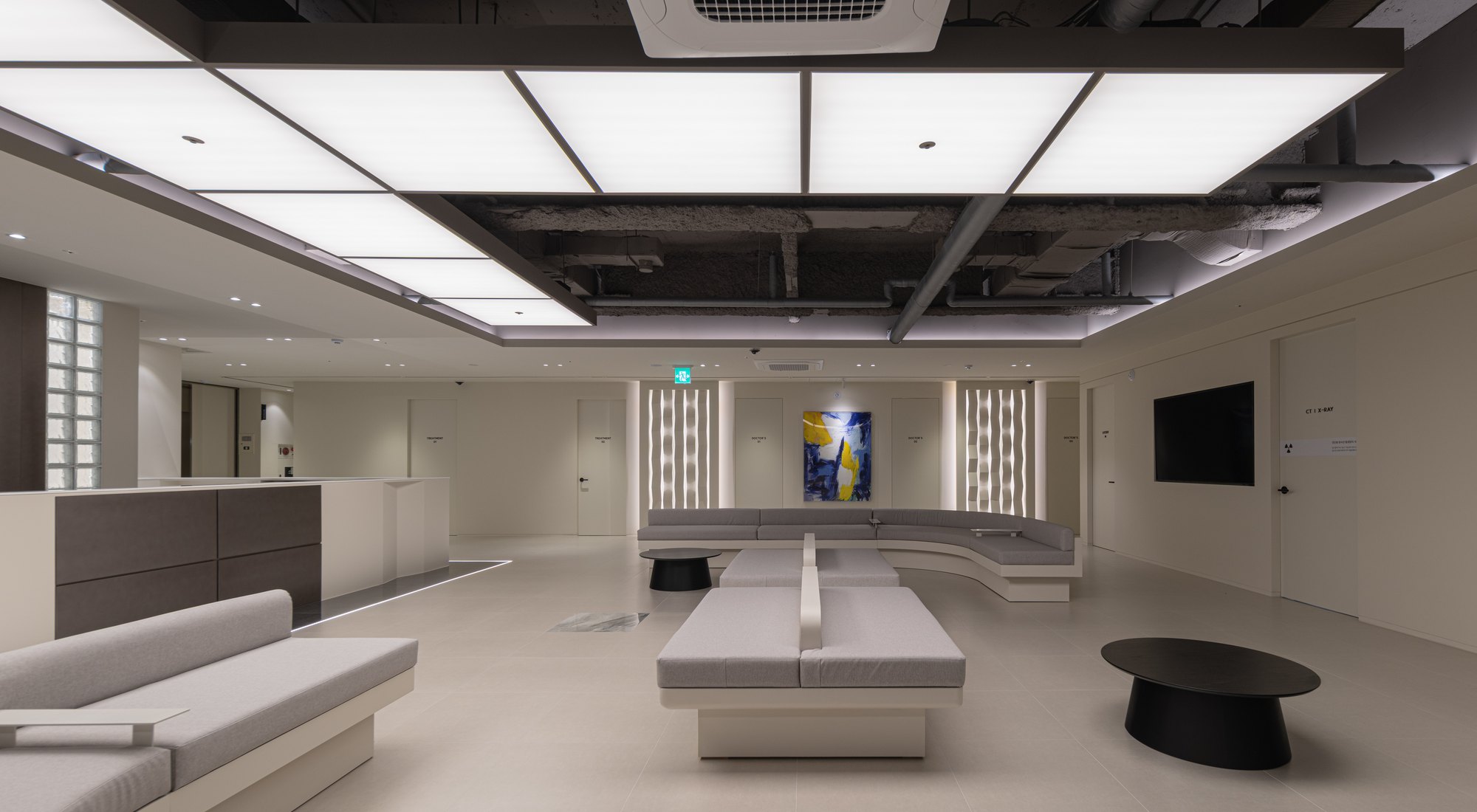
Seoul has become one of the world’s top destinations for cosmetic and medical treatments. Every year, thousands of international patients choose Korea for its skilled surgeons, advanced clinics, and prices that are far lower than in Western countries. This Korea medical tourism guide covers everything you need to plan your trip safely and confidently.
What is Planning for Medical Tourism?
Planning for medical tourism means organizing every part of your trip before you leave home. This includes your visa, budget, travel dates, accommodation, and aftercare. Good planning reduces stress, saves money, and helps you get the best results from your treatment.
- Save money: Procedures in Korea can cost 40–70% less than in the US, UK, or Australia.
- Stay safe: Knowing your clinic, recovery plan, and insurance details before you travel protects your health.
- Get better results: A well-planned trip gives you enough time to recover properly without rushing home too early.
Types of Planning Resources in Korea
This category brings together all the essential guides you need for a smooth medical trip to Seoul.
- Medical Visa: Learn which visa type you need to enter Korea for treatment, how to apply, and what documents clinics can provide to support your application.
- Cost Comparison: See side-by-side price breakdowns for popular procedures in Korea versus other countries, including rhinoplasty, double eyelid surgery, and skin treatments.
- Best Seasons: Find out which months offer the best weather, shorter clinic waiting times, and lower travel costs for your medical trip.
- Medical Accommodation: Discover recovery-friendly hotels and guesthouses near major clinic districts in Gangnam and Apgujeong, with prices ranging from ₩80,000 to ₩300,000 (approximately $60–$225 USD) per night.
- Airport Pickup: Understand your transfer options from Incheon International Airport to your accommodation, including private medical transfer services designed for post-procedure comfort.
- Translator Service: Learn how to find a qualified Korean-English medical interpreter who can attend consultations and help you communicate with your surgical team.
- Insurance Guide: Understand which international health and travel insurance plans cover complications from elective cosmetic procedures abroad.
- Post-Care Recovery: Get a clear timeline for healing, follow-up appointments, activity restrictions, and what to do if you experience issues after returning home.
Why Choose Korea for Your Medical Trip?
- Korea’s cosmetic surgery industry is one of the most developed in the world, with internationally trained specialists.
- Clinics in Seoul use modern equipment and follow strict safety and hygiene standards.
- Procedure costs are transparent, and many clinics offer package pricing that includes consultations and follow-up care.
- Seoul is easy to navigate, with excellent public transport, English-friendly districts, and a wide range of accommodation options.
- The Korean medical tourism infrastructure is built for international patients, with dedicated support services at every step.
General Cost Range in Korea
Treatment costs in Korea vary depending on the procedure and clinic. As a general guide, non-surgical skin treatments start from around ₩100,000 to ₩500,000 ($75–$375 USD). Minor surgical procedures such as double eyelid surgery typically range from ₩1,000,000 to ₩3,000,000 ($750–$2,250 USD). More complex surgeries such as rhinoplasty or facial contouring can range from ₩5,000,000 to ₩15,000,000 ($3,750–$11,250 USD). These figures are general estimates, and actual pricing depends on your individual case, so consulting with a recommended hifu korea clinic can help you get accurate quotes tailored to your needs.
What to Expect
Most patients begin with a virtual consultation before traveling. Once in Seoul, you will have an in-person assessment, proceed with your treatment, and then follow a structured recovery plan. Recovery times range from a few days for non-surgical treatments to four to six weeks for major surgical procedures. Your planning decisions directly affect how smooth this process feels.
Results and Maintenance
Surgical results are generally long-lasting, but non-surgical treatments such as fillers or skin boosters may require repeat sessions every six to eighteen months. Your clinic will give you a personalized maintenance schedule before you leave Korea. Some patients return annually for follow-up or complementary treatments.
Conclusion
Taking time to plan every detail of your medical trip to Korea is the single most important step toward a safe, successful outcome. From your visa to your recovery room, every decision matters. Use the guides in this section to build a clear, realistic plan before you book anything.
Ready to start planning? Contact us on WhatsApp for a free consultation. Our team will help you understand your options, connect you with the right resources, and answer any questions about your medical trip to Seoul.